Why Baked Meat Is a High‑Protein Choice at The Carnivore
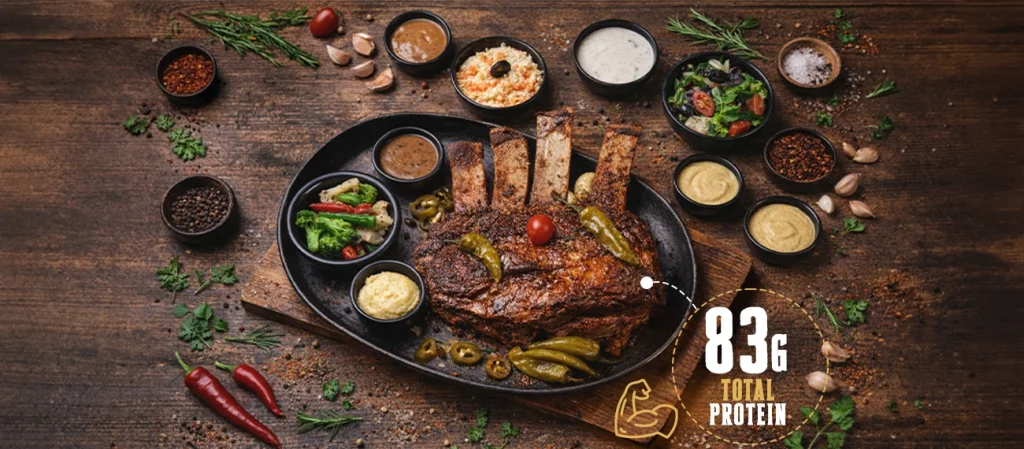
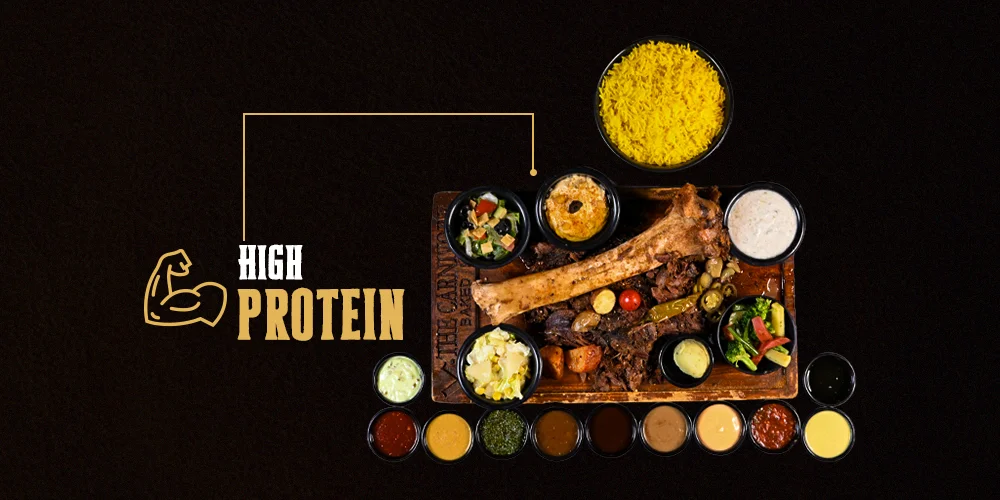
Baked meat at The Carnivore is a high-protein choice because it uses quality cuts of beef, lamb, and other meats that ensure a rich source of essential amino acids. The Carnivore’s famous Slow-Baking process maintains most of the protein content while preserving natural flavors and tenderness. Baked meat manages its nutritive content compared to fried or highly processed meat, hence it is the best choice for those who want to consume a rich protein meal that aids in muscle development, fitness, and good health in general.
“ Roasting and baking offer significant nutritional advantages over frying and sautéing, primarily because they require little to no added fat. Unlike frying, which often involves submerging food in oil, roasting and baking allow ingredients to cook in their natural juices, preserving essential nutrients while reducing overall calorie and fat content. This makes them healthier choices for preparing vegetables, meats, and grains, as they help retain vitamins and minerals that can be lost in high-heat, oil-heavy cooking methods. ” [1]
Protein Levels in Different Cuts of Baked Meat
Baked meat of the carnivore in different cuts provides different amounts of protein, depending on the type and leanness of the meat. Leaner options, such as round beef cut and beef brisket, provide substantial protein per serving, more fat cuts can provide a lower amount of protein but can provide a nice texture and flavor. Quality selections such as lamb backbone, lamb shank, and beef ribs are sources of high protein as well as sources of vital nutrients.
“ Additionally, roasting and baking promote a more even and gentle cooking process, which minimizes the formation of harmful compounds, such as trans fats, that can develop during deep frying. “ [2]
How Slow‑Baking Preserves Nutrients and Protein
Slow-baking preserves the nutrients and protein because it cooks the meat over a long period at a regulated temperature. This process minimises the degradation of proteins and restricts the wastage of nutrients, which is common with high-heat cooking methods. By retaining natural moisture and structure, slow-baking maintains essential amino acids while enhancing tenderness and flavor. As a result, baked meat remains a nutritionally dense option that supports protein intake and overall dietary quality.
“ Speed of protein digestion, a parameter of increasing interest in nutrition, can be modulated by meat preparation, a slower digestion being observed with high cooking temperature. ” [3]
Comparing Protein in Beef, Lamb, and Camel Dishes
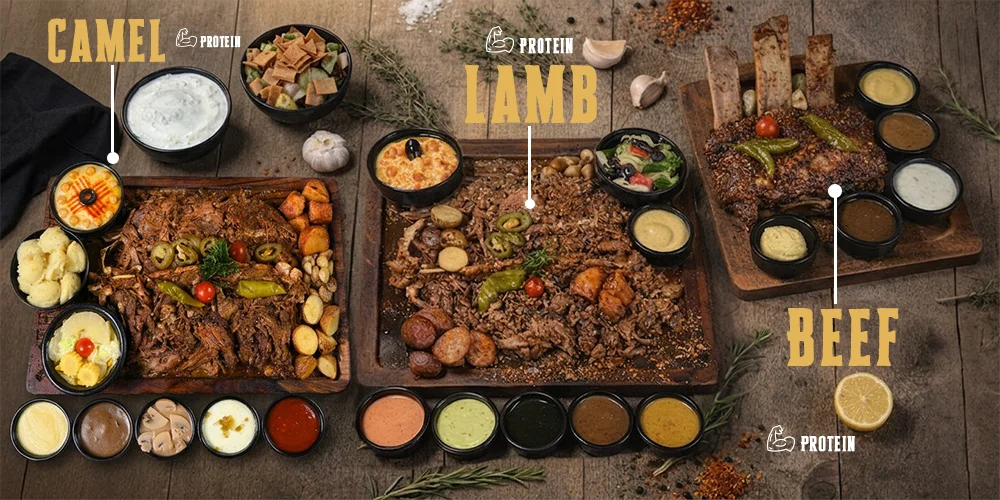
Different meat types offer protein levels based on their cut and composition. The table below compares estimated protein content per 100 grams of baked beef, lamb, and camel meat.
| Meat Cut Type | Estimated Protein Per 100g |
| Beef Brisket | 28-31 g |
| Beef Ribs | 28-31 g |
| Beef Shank | 28-31 g |
| Lamb Shank | 25-28 g |
| Lamb Shoulder | 25-28 g |
| Lamb Neck | 25-28 g |
| Lamb Ribs | 25-28 g |
| Camel Meat | 19-22 g |
The protein mentioned above is estimated per 100g, depending on the meat cut type.
“ The lean meat of camel contains about 78% water, 19% protein, 3% fat, and 1.2% ash with a small amount of intramuscular fat, which makes it a healthy food for humans.’’ [4]
Benefits of High‑Protein Baked Meat for Health and Fitness
High-protein baked meat plays an important role in supporting overall health and fitness. It helps build and maintain muscle mass and supports muscle recovery after physical activity, and contributes to improved strength and endurance. Protein-rich meals are especially beneficial for individuals following active lifestyles, gym routines, or strength training programs.
Baked meat also promotes longer-lasting fullness, which can support healthy weight management by reducing unnecessary snacking. Unlike fried options, baked meat retains essential nutrients while minimizing excess fat, making it a balanced choice for maintaining energy levels, metabolism, and long-term dietary wellness.
“ Aids in building and restoring muscle tissue, crucial for athletes, active adults, and ageing individuals to maintain strength.
Beef is a complete protein that provides several important amino acids, the building blocks of protein that support all kinds of bodily functions. It’s a versatile and nutritious way to meet your daily protein needs. “ [5]
FAQs:
Do different cooking methods affect the protein in meat?
Yes, methods like frying or overcooking can reduce protein quality, while slow-baking preserves most of the protein naturally present in meat.
Which meat provides the most protein: beef, lamb, or camel?
Beef generally offers the highest protein content per 100 grams, followed by lamb and camel, making it the preferred choice for protein-focused meals.
Can baked meat meals help meet daily protein requirements?
Absolutely. A well-portioned baked meat meal can contribute significantly to daily protein intake, supporting muscle maintenance and overall nutrition.
Are baked meat meals suitable for people following a high-protein diet?
Yes, baked meat is ideal for high-protein diets because it delivers substantial protein without excessive fat or unnecessary additives.